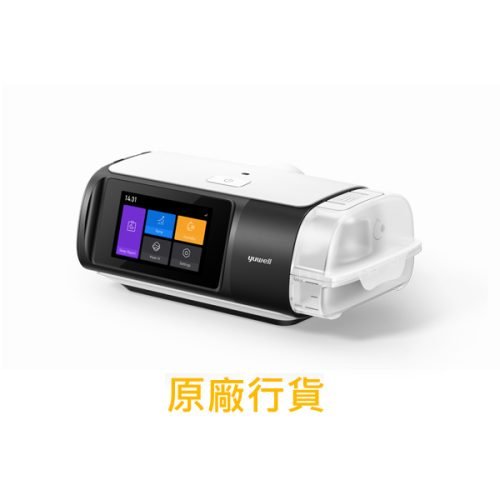
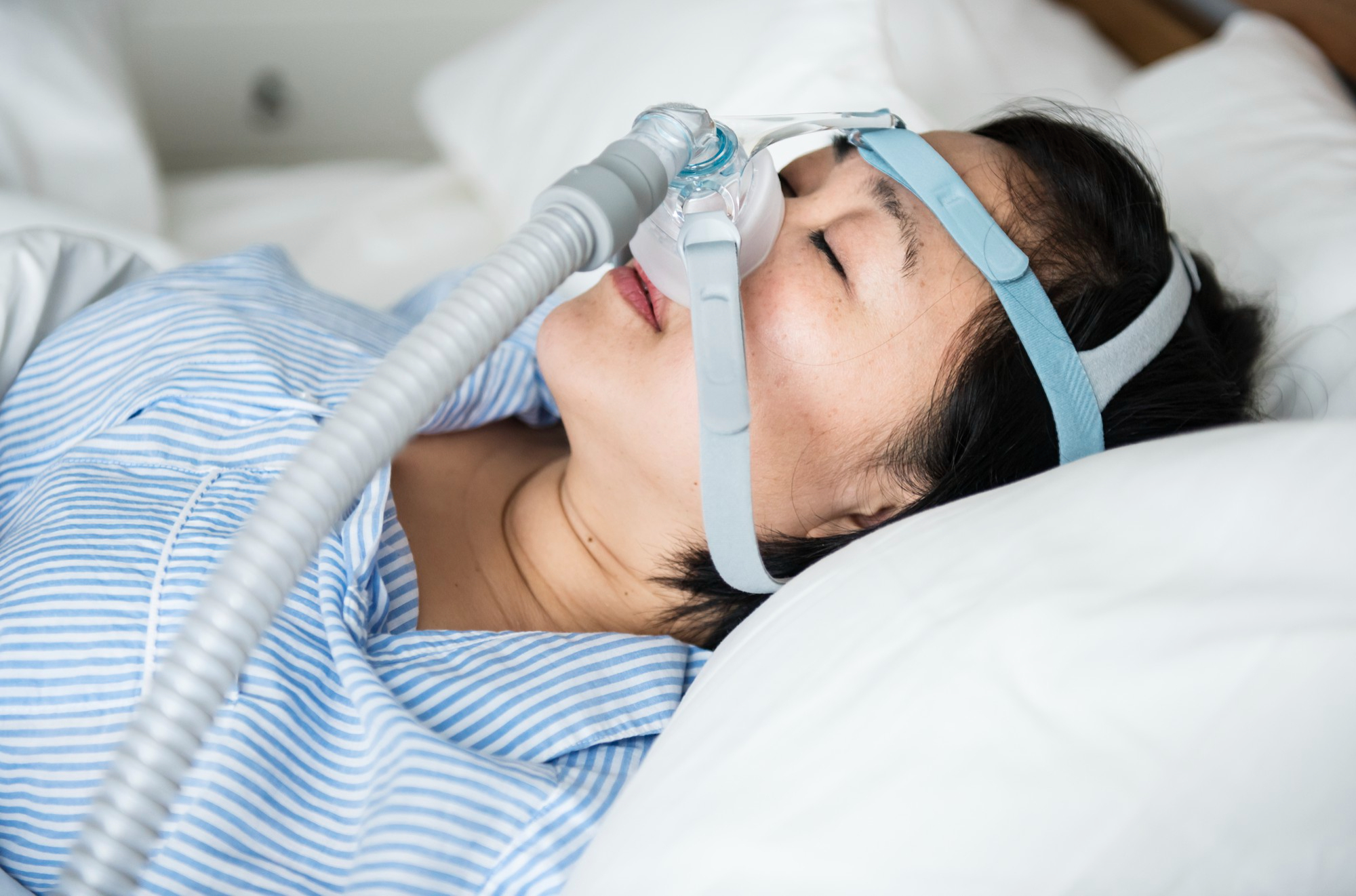
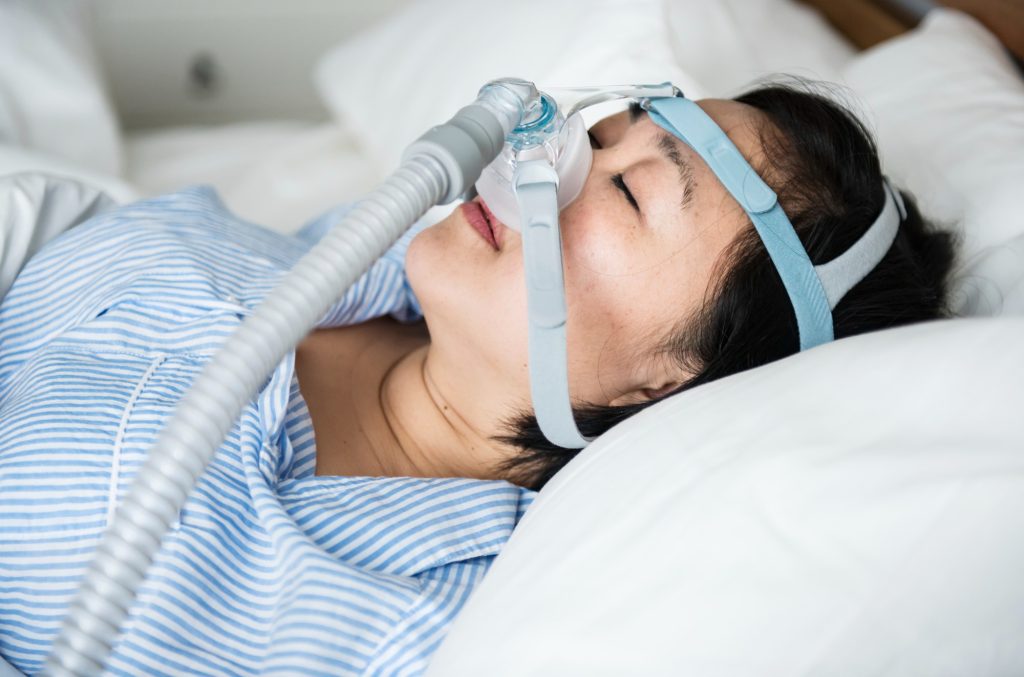
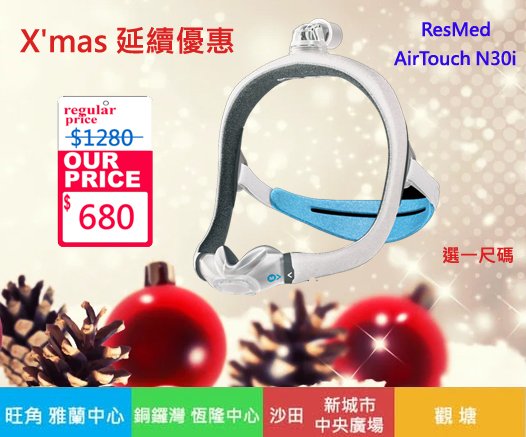
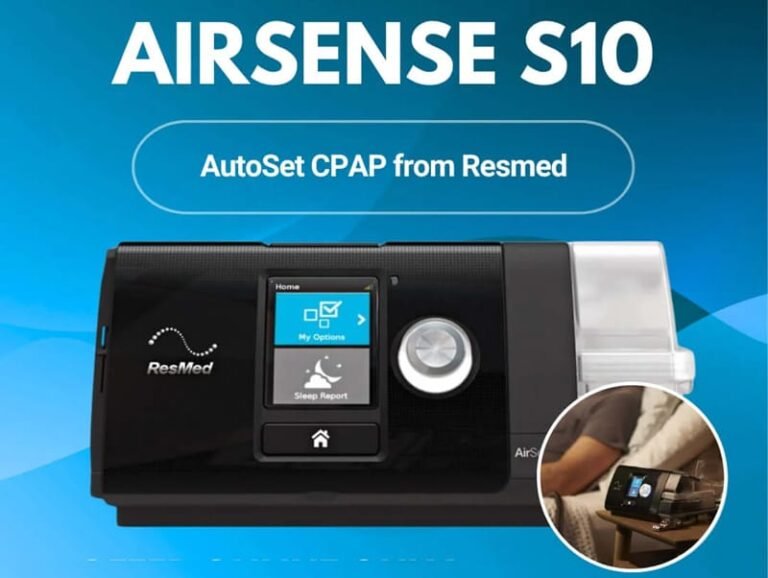
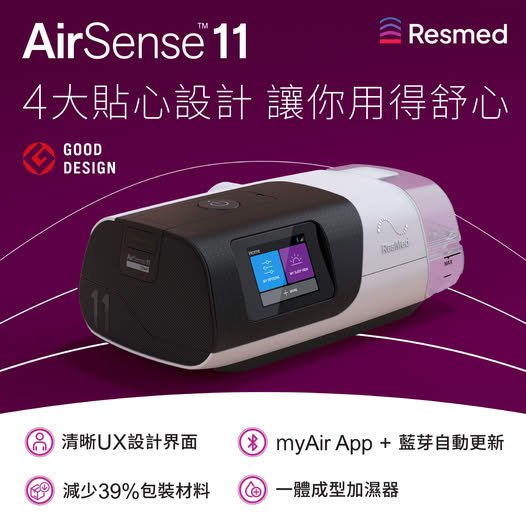
A CPAP (Continuous Positive Airway Pressure) machine is the gold standard treatment for obstructive sleep apnea (OSA). It delivers a steady stream of pressurized air through a mask to keep your airway open during sleep, preventing breathing pauses and improving oxygen levels.
Who Should Use a CPAP Machine?
CPAP therapy is recommended if you:
Snore loudly with observed breathing pauses
Experience daytime fatigue or morning headaches
Have been diagnosed with mild-to-moderate sleep apnea (AHI ≥5)
Have hypertension or heart conditions linked to OSA
Types of CPAP machines
CPAP machines can be categorized into three main types: Continuous Positive Airway Pressure (CPAP) machines, Auto-Adjusting CPAP (APAP) machines, and Bi-level Positive Airway Pressure (BiPAP) machines. These three types of sleep therapy devices differ in functionality, pressure delivery methods, and pricing.
– Provides two levels of air pressure (inhalation & exhalation)
Target Group
– People who have OSA and no other breathing problems
– People who have severe OSA and no other breathing problems
– People who have OSA and other breathing problems
Benefits
– The most common initial therapy for people with OSA
– Affordable
– More comfortable than normal CPAP
– Adapt the air pressure based on the user’s breathing patterns
– More comfortable than normal CPAP
– It may help regulate respiration in people with various breathing disorders
Benefits of a CPAP machine?
Consistently using a CPAP (Continuous Positive Airway Pressure) machine to treat sleep apnea provides both immediate improvements and long-term health benefits.
Short-Term Benefits of CPAP Therapy
Better Sleep Quality – Prevents breathing pauses, helping you wake up refreshed
Reduced Snoring – Eliminates airway vibrations that cause loud snoring
Increased Daytime Alertness – Less daytime sleepiness
Long-Term Health Benefits of CPAP Therapy
Lowers Blood Pressure – Reduces strain on the heart from oxygen drops
Boosts Brain Function – Improves memory, focus, and cognitive performance
Potential CPAP Side Effects & Solutions
Side effects of CPAP treatment may include congestion, a runny nose, dry mouth, and nosebleeds. These effects are typically attributable to the inhalation of cold, dry air; however, the use of a heated humidifier can frequently mitigate these symptoms. You can also adjust strap tightness, use mask liners to prevent skin irritation.
Do You Need a CPAP Machine?
If you’re uncertain whether you have obstructive sleep apnea (OSA), think about undergoing a sleep test.
We offer 2 convenient Home Sleep Test Options:
Professional Home Sleep Test (PSG) – $1800 (including specialist report)
Simple Home Sleep Test (PG) – $1200 (including specialist report)
Short waiting period – only 1 week
Quick report – only 7 days
Specialist report
Professional training for testers
Testing can be done at home
Schedule your sleep test today by calling 2388-6900.
Still unsure? Read our full guide to sleep testing here.